— HOW NOISE CONTROL ACTUALLY WORKSMass, Absorption, and Not Leaving Gaps
Sound control gets sold as a product when it is really a geometry problem. A barrier wall works on three things, and a weakness in any one of them undoes the other two.
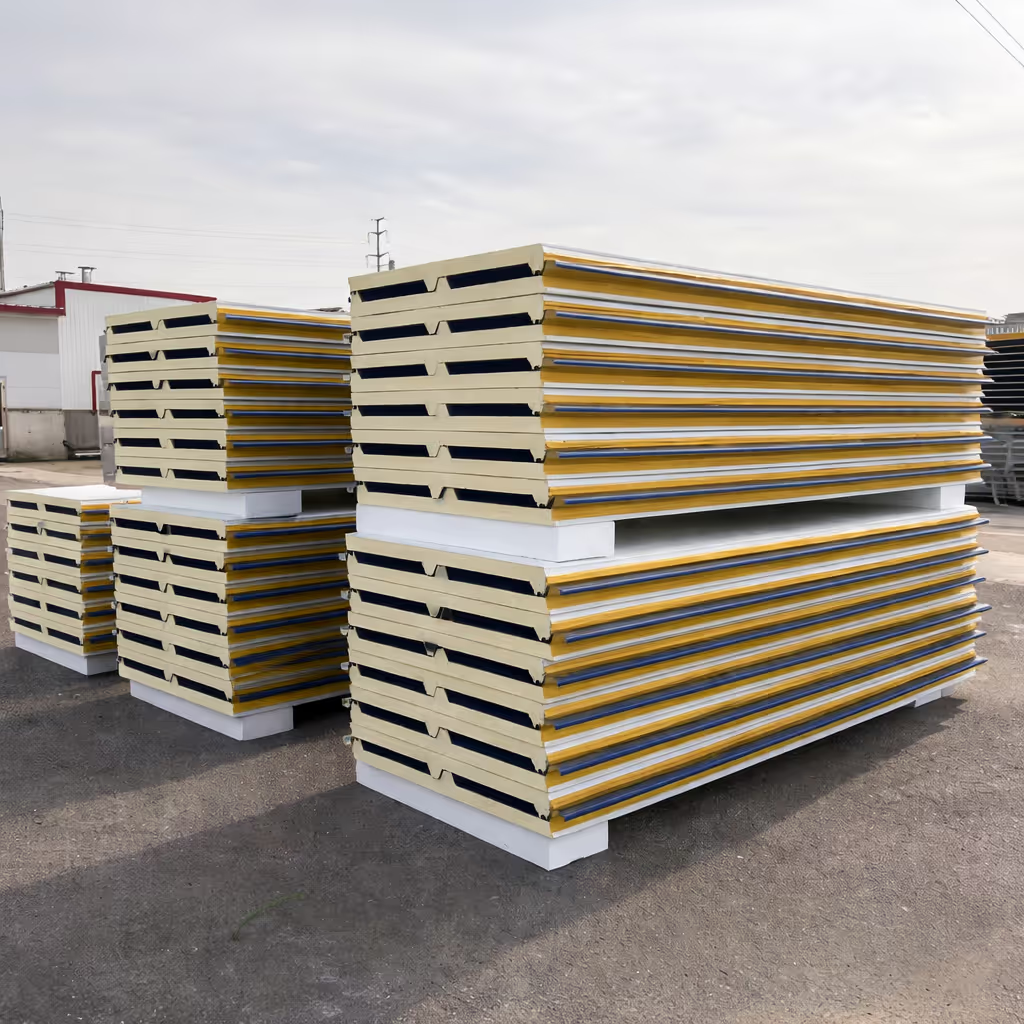
Mass blocks sound. The heavier and denser the assembly, the more sound energy it stops. This is why a thin fence does almost nothing against a compressor and an insulated panel wall does a great deal.
Absorption stops it bouncing. A hard enclosure with no absorptive interior reflects noise back and out through the opening, which is how some enclosures make the problem worse in one direction while improving it in another.
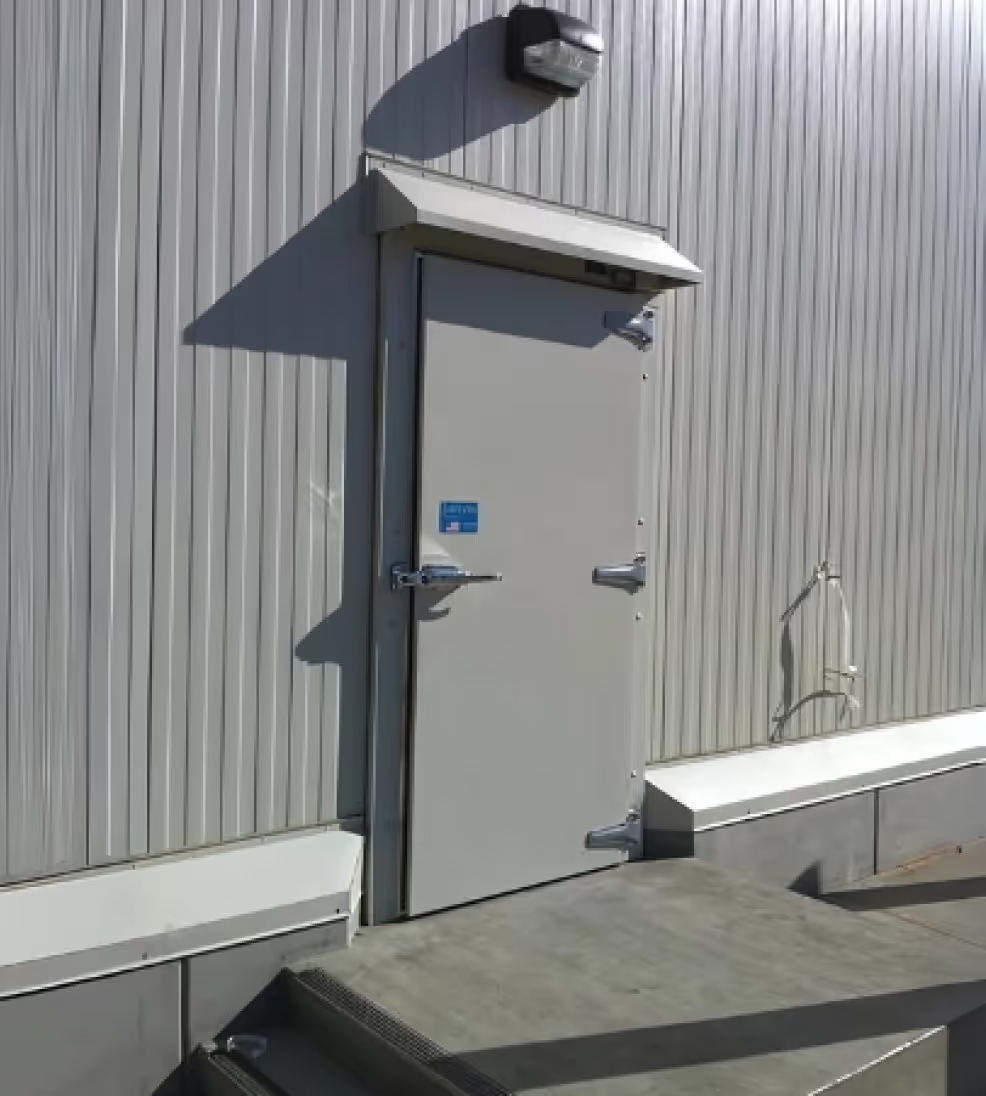
Gaps ruin everything. Sound behaves like water. A small unsealed penetration for a conduit or a drainage gap at the base will leak far more noise than its size suggests. Careful detailing at joints, corners, and penetrations is most of the real work.
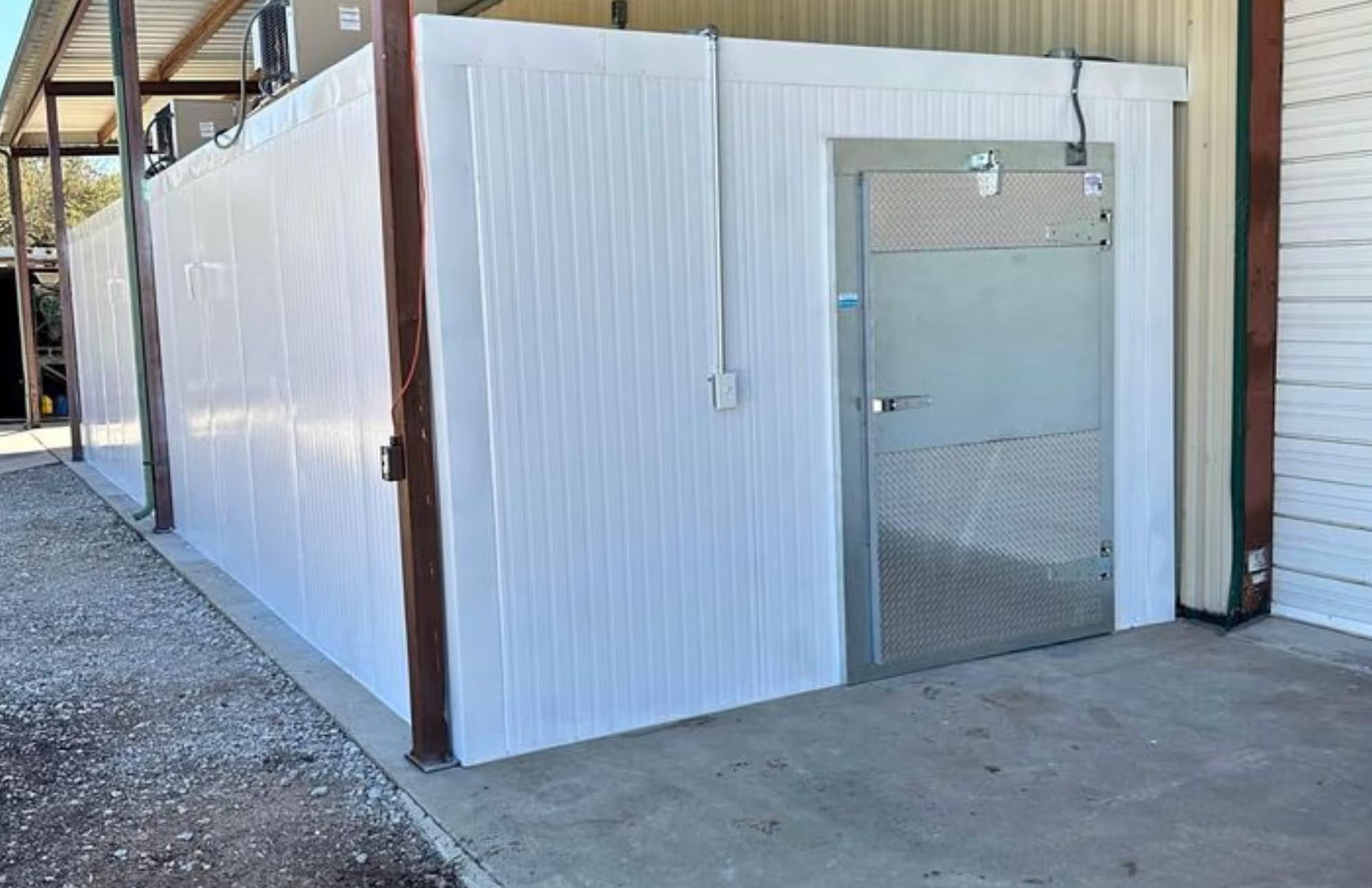
The applications we see most are oil field generator sets, compressor stations, chillers and switchgear yards at data centers, and engine run-up areas at aviation facilities. What these have in common is equipment that has to keep breathing while being quieter, which means the enclosure has to handle airflow and service access without opening an acoustic hole.
Because these systems are panel-built, they install on site without a concrete slab and can be relocated when the equipment moves.