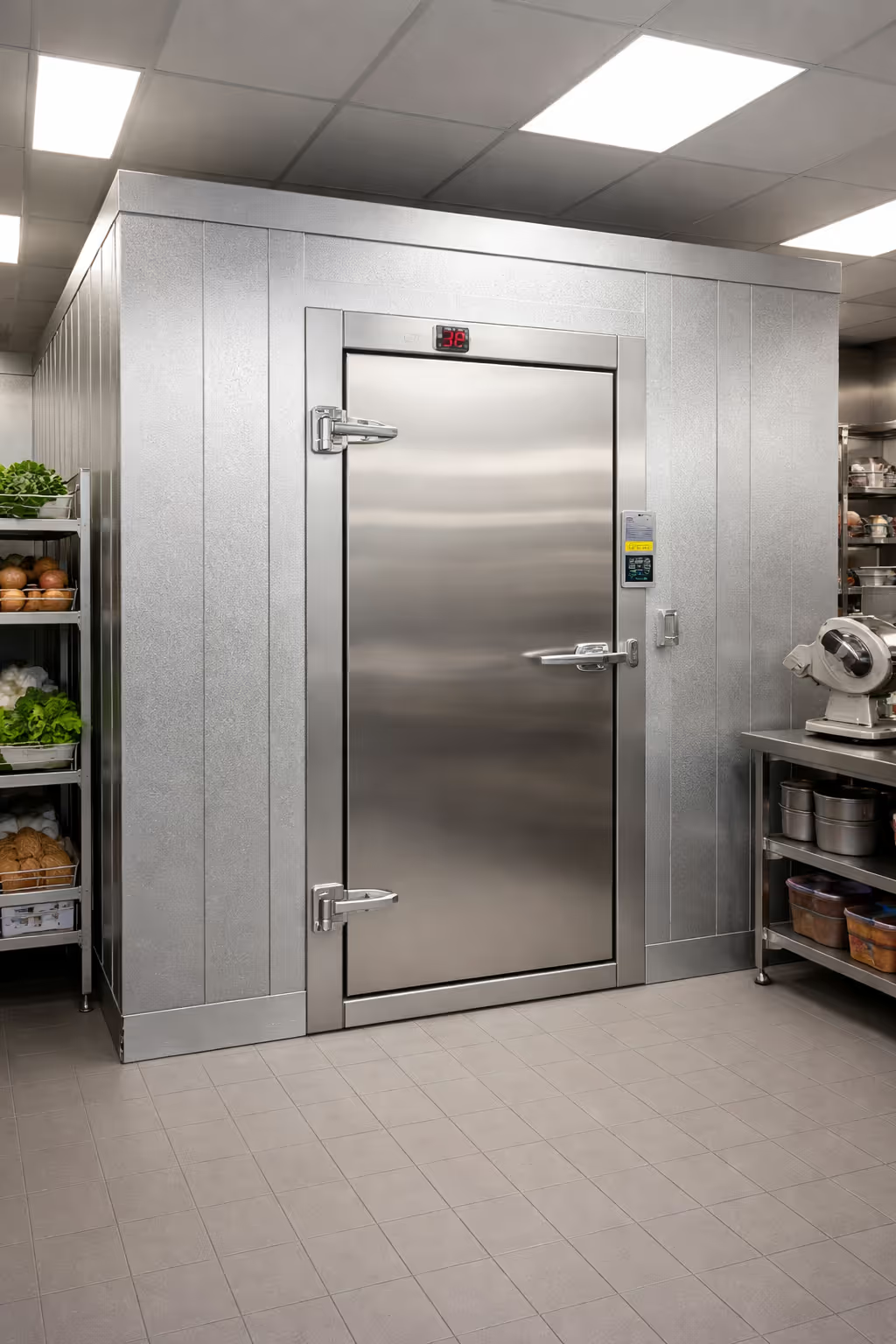
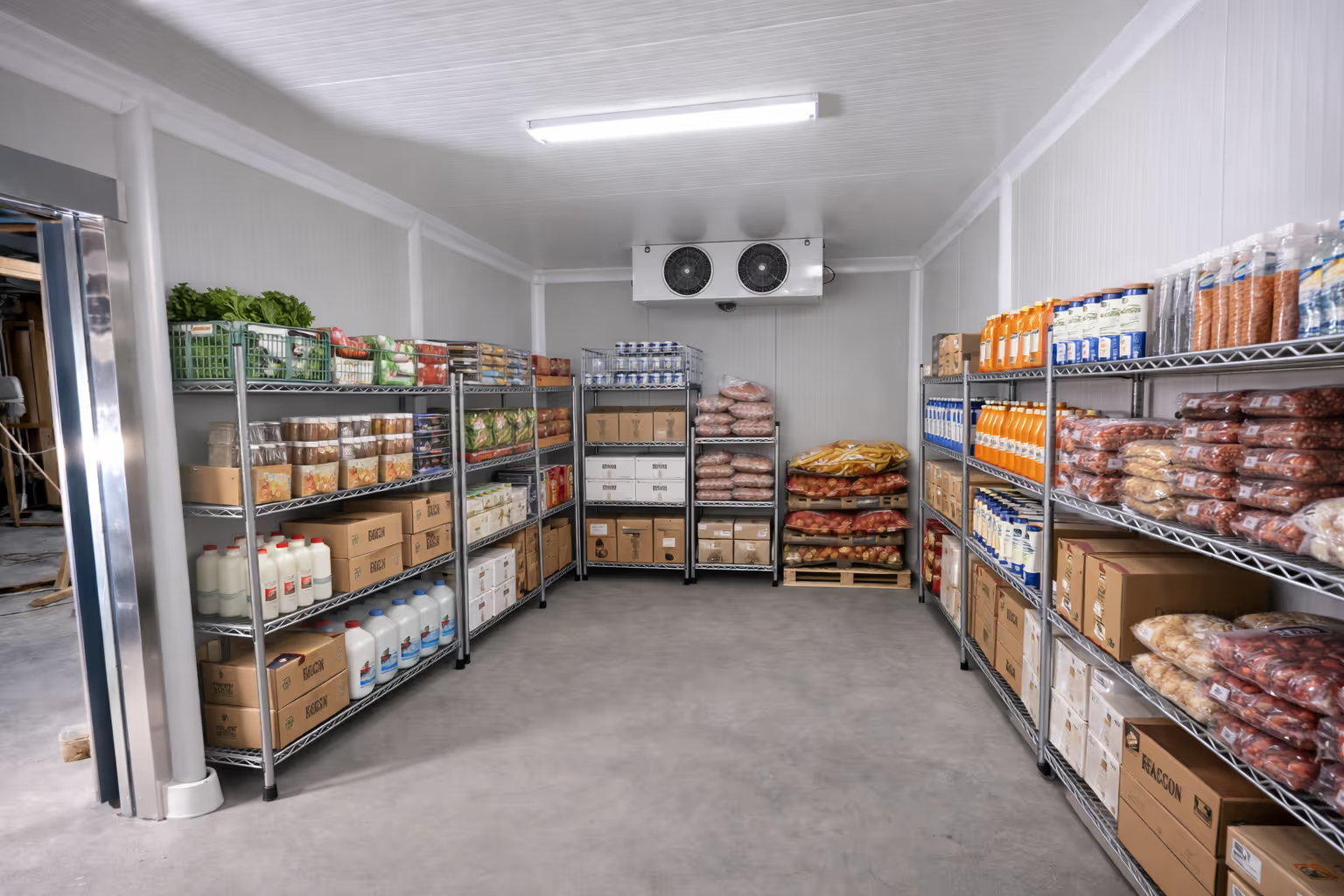
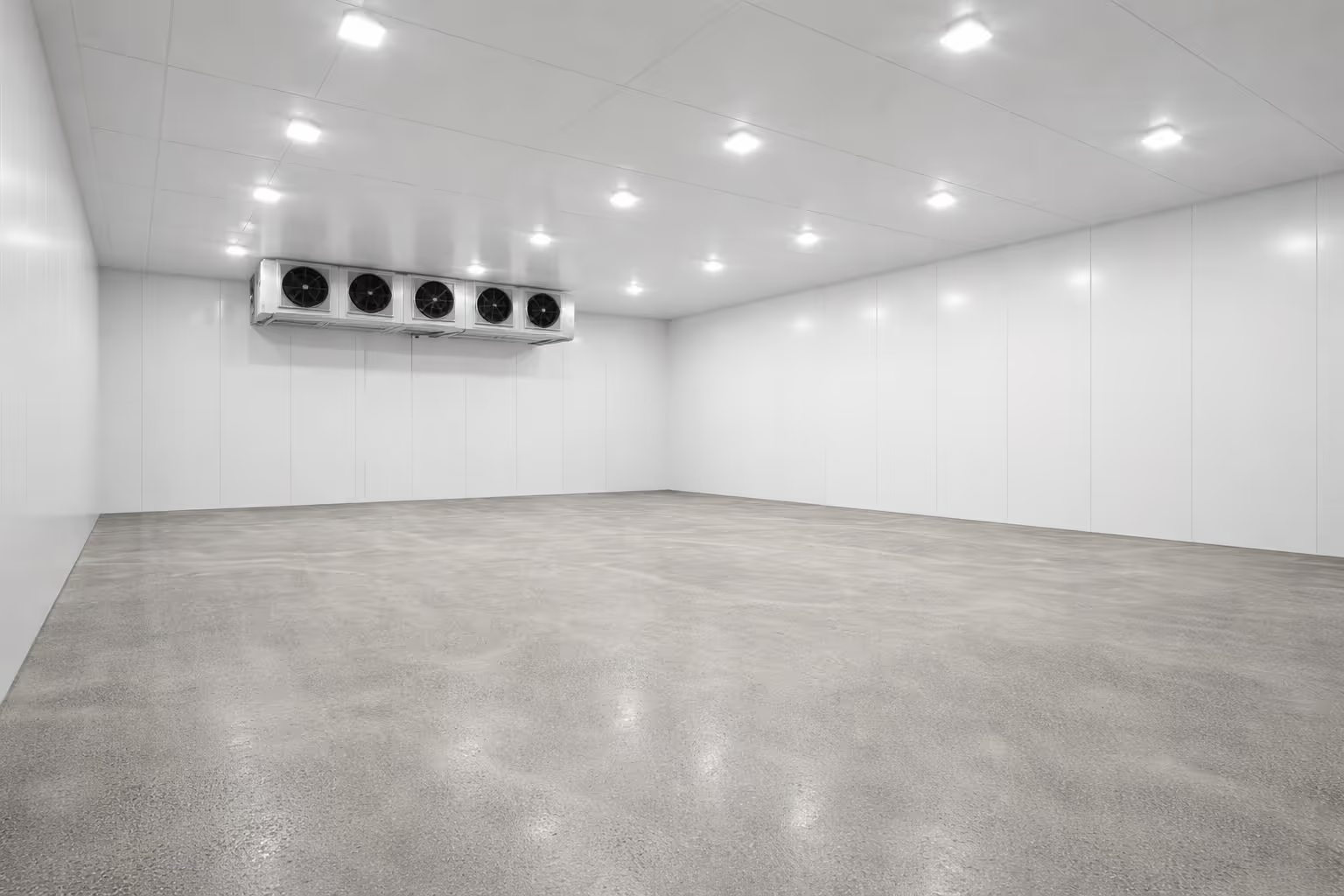
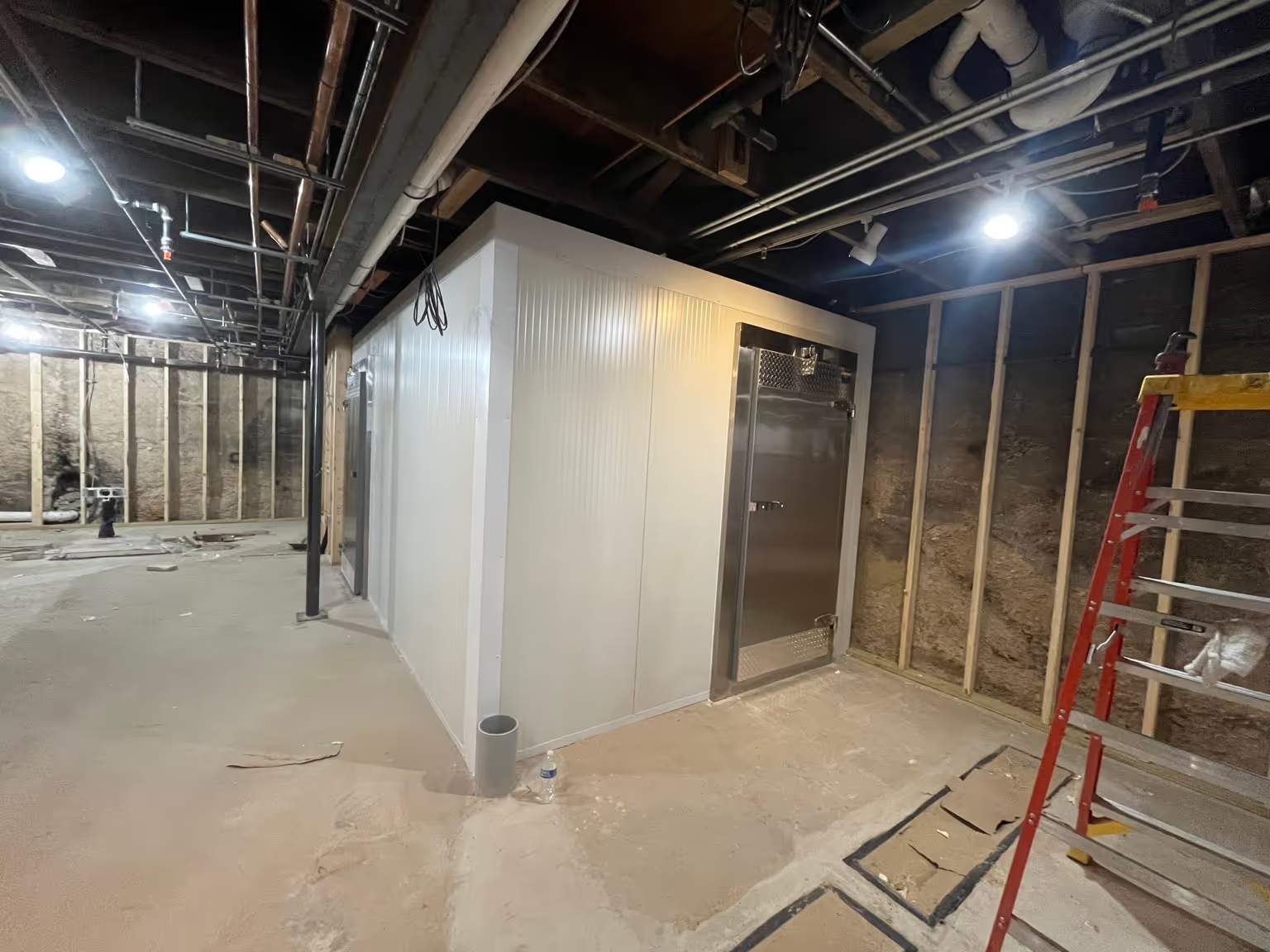
Built for Commercial Kitchens
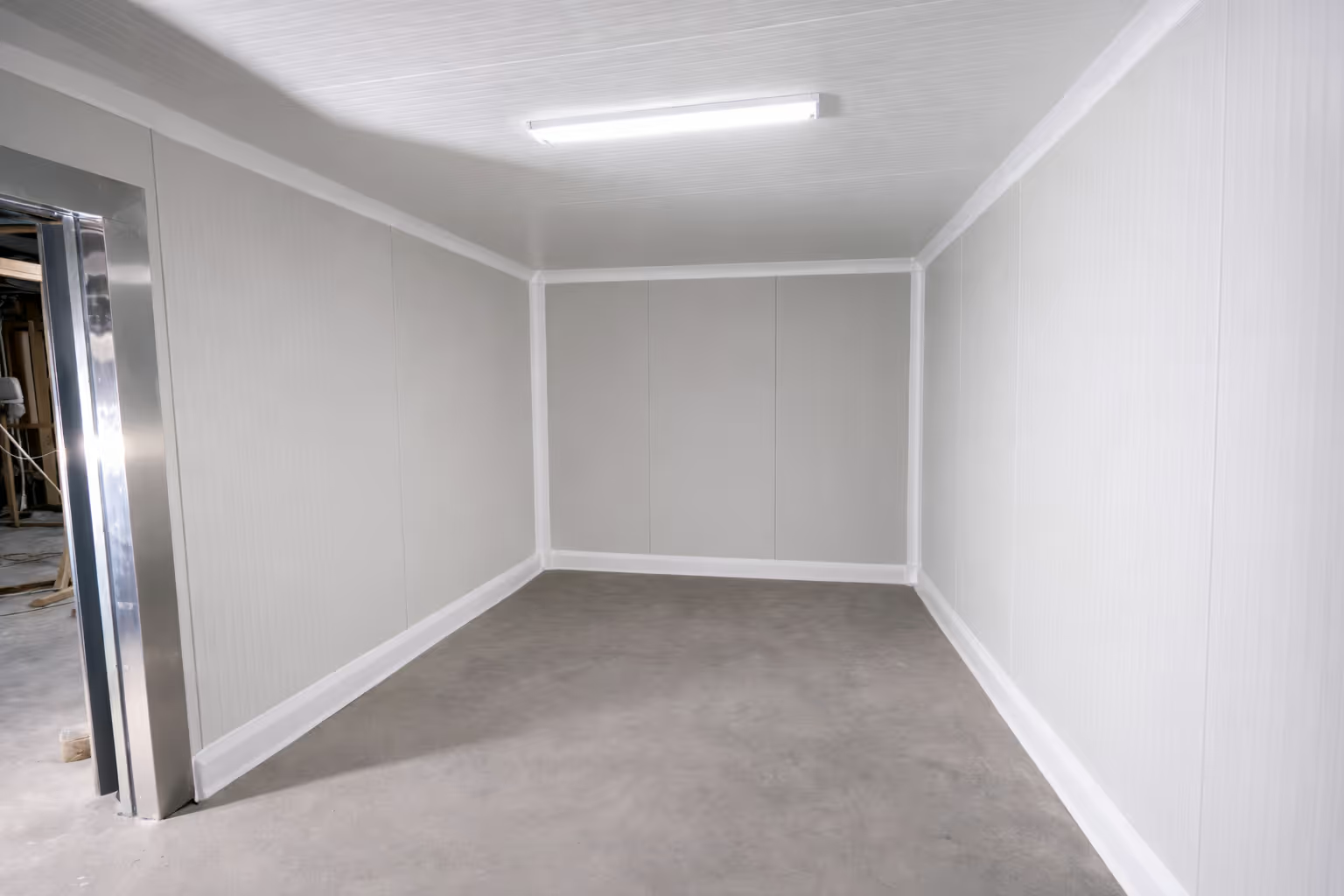
Texas TFER is specific about where the floor meets the wall, and that joint is the first thing an inspector looks at. Coved transitions, cleanable surfaces and sealed penetrations get designed in at planning, not patched in at final walk.
A door that opens four hundred times on a Friday night is a different load than any spec sheet assumes. Panel R-value, gasket choice and defrost cycle have to be sized for the rush, not the daily average.
Every hour the box is down is covers you do not turn. Most restaurant work happens overnight or between services, with a refrigeration trailer on site holding your inventory through the changeover.
Panels are cut to your dimensions and assembled in place, so the real constraint is the route in, not the finished size. We field-measure the openings before anything goes on the saw.
Kitchen air is wet and greasy, and silicone bead is the first thing to fail in it. Sealant-free coving and the right panel skin mean there is nothing at the joint to peel, crack or harbor bacteria.


Restaurant cold storage gets judged twice: once by your team every shift, and once by an inspector who is looking at things most kitchens never think about until the report arrives.
Nearly all of it comes down to whether a surface can be cleaned. The wall-to-floor junction is the classic failure. A square corner collects debris, cannot be mopped properly, and gives bacteria somewhere to live. A coved transition removes the corner entirely. Where most operators get caught out is the sealant: silicone cove joints look fine on day one, then crack, shrink, and discolor, and a cracked bead is a harborage point an inspector will write up. Sealant-free coving does not have that failure mode because there is no bead to fail.
The rest follows the same logic. Non-porous wipe-down wall surfaces, doors with hardware that can be cleaned around, and no unsealed penetrations where a line or conduit passes through.
The other constraint is that a restaurant cannot close for this. Kitchen work happens overnight, between services, or through a planned closure, and a refrigeration trailer in the lot keeps inventory cold while a walk-in is rebuilt. We plan around your service calendar because the alternative is asking you to lose covers, and that costs more than the cooler.
Where We Work
Quick-Service & Drive-Thru
Full-Service Kitchens
Commissary & Central Prep
Catering & Event Kitchens
Bakeries & Cold Prep
Bars & Beverage Service
How We Run a Job
Panels, doors, coving and refrigeration are priced and installed as one scope under one warranty. Cold storage fails at the joints between trades — and on our jobs there are no joints between trades.
Overnight and between-service installs are the norm, not the exception. A refrigeration trailer sits on site through the changeover so your inventory never leaves temperature and you never lose a cover.
Panels and doors sit on the shelf in Parker County, and two of the five panel lines we install are manufactured inside the Metroplex. That is the difference between a two-week lead time and a two-month one.
We walk the kitchen and measure the real openings before anything is cut. It is the least glamorous part of the job and the reason the panels fit on the first attempt.
Jeff and the crew were amazing. Took time and care in making sure all my requests and specifications were addressed. If you need a refrigeration system built use these guys they rock!
Adric White — Google review
Request a Quote
Prefer to talk? Call 682-402-4080.
New builds, remodels, or emergency replacements — PanelTX handles restaurant cold storage from design through install. Call 682-402-4080 or request a quote.
Get a Free Quote